
About
Provider

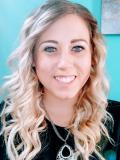
Natasha Cerrillo, LMFT, BCBA

Mental Health Counselor

Gender: Female
Age: 35 years
Experience: 10 years
Languages: English

About Natasha Cerrillo, LMFT, BCBA

Natasha’s educational background consists of an Associates Degree in Child Development, a Bachelor’s Degree in Social Sciences (consisting of psychology, sociology and gender studies), and a Master’s Degree in Science for Psychology, Marriage and Family Therapies, and Behavioral Analysis from California State University, Stanislaus. Natasha is a Licensed Marriage and Family Therapist (LMFT) and a Board Certified Behavioral Analyst (BCBA) with an 9-year background in behavioral analysis. Natasha’s clinical experience includes individual therapy for children, adults, couples and family therapy, co-parenting and groups within a variety of settings; such as residential treatment facilities, clinics, home and school-based services. In having an eclectic approach to therapeutic services, Natasha emphasizes using a strength-based, client centered foundation, when using techniques to further support her clients in accomplishing their goals.

Practice Locations

Ms. Natasha Cerrillo sees patients at:

Education

Graduate Scholarly Training • Research Methods in Behavioral Analysis Dr. Potter, Fall 2015

• An in-depth examination of single-subject design methodology and implementation will be covered. Group designs and statistical analysis will be included.

• Foundations of Behavioral Analysis Dr. Hesse, Fall 2015

• Understanding the correlating of principles and behavioral analysis using research in analysis of contingencies, schedules of reinforcement, respondent conditioning, motivate operations, discriminations, generalization, stimulus control, and the elementary verbal operant

• Legal and Ethical Issues Dr. Hesse, Fall 2015

• Addressed BACB academic content and ABAI accreditation content requirements for legal and ethical issues found in professional psychology.

• Advanced Applied Behavior Analysis Dr. Duroy, Fall 2015

• Understanding the underlying conceptual foundations, interventions, methods, and procedures of applied behavior analysis when linking assessment to behavior change, high utility treatment approaches, applications with diverse populations, and working within the context of family, culture, and community.

• Applied Psychopharmacology Dr. Jovanovic, Spring 2016

• Introduction to psychopharmacology drugs used to treat mental illness. We will review basic neurophysiology, pharmacokinetics and pharmacodynamics pertinent to an understanding of how drugs work in the brain

• Clinical Behavior Analysis Dr. Duroy, Spring 2016

• Devoted to the study of strategic therapies as applied to both individuals and families

• Seminar in Clinical Psychopathology Dr. Lambert, Spring 2016

• Diagnosis and assessment of psychopathology using the DSM-IV. The foci included gaining competence in a multi-axis DSM- IV diagnostic system, diagnosing, ability to identify appropriate psychological assessment procedures, and develop comprehensive treatment plans.

• Advanced Counseling Dr. Baker, Spring 2016

• Counseling practices focused on a method of brief goal-oriented psychotherapy which includes assessment, establishing mutual goals, treatment interventions, and termination issues. Practice in the techniques of counseling and client file record keeping

• Multicultural and Developmental Perspective in Counseling Dr. Pederson-Pennock, Fall 2016

• Studied family lifestyles as represented by several major cultural traditions in the United States for the purpose of developing an understanding of and clinical skills in multicultural counseling.

• Substance Abuse Counseling Dr. Berkowitz, Fall 2016

• Review of diagnostic and assessment practices, goal setting, treatment and planning, and included role-playing techniques using a systematic approach to treatment.

• Family Counseling Theory and Practice Dr. Baker, Fall 2016

• In-depth examination of theory and techniques of conjoint family therapy with consideration of such topics as parent-child relationships, human sexuality, and combined families.

• Client Advocacy Practicum Dr. Baker, Fall 2016

• Exploration of principles of mental health recovery-oriented care and teach students to model these principles in real-world settings (i.e., practicum placements). Implementation and review of assessment, diagnosis, and intervention and demonstration of individualistic approach to these activities from a recovery-oriented perspective.

• Conceptual Issues Behavioral Analysis Dr. Hesse, Spring 2017

• Examination of thinking, creativity, problem solving, phylogeny, and ontogeny of behavior from a behavioral perspective in comparison to the personality theory framework which produced the current mental disorder diagnostic system. Foci further included etiology, diagnosis, treatment, and prognosis of various psychological disorders.

• Child Clinical Interventions Dr.Pederson-Pennock, Spring 2017

• Clinical issues including therapy approaches and assessment for behavioral and emotional disorders; child physical, sexual, and emotional abuse; and mandated child abuse reporting laws were engaged.

• Counseling Sexual Problems Dr. Jovanovic, Spring 2017

• Introduction to assessment, formulation, and treatment of common sexual problems across the lifespan. Topics included sexual development across the lifespan, gender identity, sexual dysfunctions, sexual health, abortion and infertility counseling, and sexual decision-making.

• Behavioral Assessment Dr. Wiskow, Fall 2017

• The general principles of behavioral assessment will be the primary subject matter with traditional psychological assessment procedures introduced for comparison purposes. Areas such as observation methods, reliability, and single-subject evaluation designs were studied in depth. Application and evaluation of techniques within interventions and review of strategies were examined. Theories and applications of commonly used psychological tests (such as the MMPI, WAIS, and Rorschach) were presented on.

• Community Counseling Interventions Dr. Lambert, Fall 2017

• In-services were provided to students of the interaction between individual, group, organizational, community, and societal factors and how they affect psychological well-being from community programs and were explored from recovery-oriented, evidence-based interventions when working with individuals with severe mental illnesses.

• Trauma and Domestic Violence Interventions Dr. Lambert, Fall 2017

• Exploration of theoretical models related to therapeutic interventions examining multicultural factors, legal and ethical guidelines, and personal values and familiarizing with assessments, treatment and techniques appropriate trauma.

Undergraduate Scholarly Training- • Introduction to Learning and Motivation Spring 2014

• Basic phenomena of learning and motivation were covered, including classical and operant conditioning, the roles of reinforcement in learning, transfer of learning, and retention from cognitive, behavioral and Gestalt theories of learning and motivation.

• Social Inequalities Summer 2014

• Engaging the causes and consequences of socially structured inequalities including socioeconomic class, gender, and body image; focuses on U.S. society within the context of globalization.

• Mexican American Family Fall 2013

• Foci included basic sociological structure and functions of the family as a social institution, within an application of role theory to the Chicano family as a unit of interacting personalities. Further areas examined were courtship, marriage, and child-rearing practices, etc. The relationship of the Chicano family with other institutional factors of the society. The changing sex roles for the Chicano family members was emphasized throughout.

• Personality and Society Fall 2013

• Examination of relations between personality, social structure, and culture with a primary emphasis on roles, socialization, aggression, affiliation, leadership, and norms.

• Anthropology and Global Issues Spring 2013

• An examination of the ways in which cultural anthropology can offer contemporary Americans a broad understanding of national/world events and problems. Global issues treated include the Third World, development, poverty and culture, education in modern society, the environment, and social change.

• Exploration in Humanities Spring 2013

• Exploration in Humanities provided an opportunity to explore in some depth humanistic disciplines, in the nature and interrelationship of these disciplines, and independence in research in humanities

• Human Development: Childhood Spring 2013

• An evaluation of current developmental research and applications in basic principles of human development as they apply to infancy, childhood, and adolescence.

• Intelligence Spring 2013

• The origins and assessment of intelligence and its role in cognitive functions were examined within the psychometric and neuroscientific frameworks.

• Introduction to Abnormal Behavior Winter 2013

• An introduction to abnormal behavior in humans, stressing symptoms and dynamics of neuroses and psychoses.

• Society and Gender Fall 2012

• An interrogation of competing constructions of a spectrum of gendered, sexed bodies, identities, while exploring the various social institutions, cultural productions, and practices that shape intersecting identities and power relations to enable social justice

• Gender and Education Fall 2012

• Examination of the progress toward achievement of gender equity in education and the way education responds to, reflects, and shapes societal perspectives on gender.

Licenses

Natasha Cerrillo, LMFT, BCBA has been registered with the National Provider Identifier database since December 21, 2016, and her NPI number is 1639614043.

Book an Appointment

Ms. Natasha Cerrillo is a verified mental health counselor on Vitadox.com and currently accepts new patient appointments.

To schedule an appointment with Ms. Natasha Cerrillo, please call (209) 966-2000.

Mental Health Counselor

Ms. Natasha Cerrillo is a Mental Health Counselor in Mariposa, CA with special training and skill in working with individuals, groups and communities to improve mental health dysfunctions by discussing emotions and experiences, then prescribing custom holistic solutions. As a Mental Health Counselor, Natasha Cerrillo, LMFT, BCBA performs assessments and diagnostics, psychotherapy, treatment planning, and crisis management. Mental Health Counseling is flexible, consumer-driven therapy that combines psychotherapy with practical, problem resolution strategies. Significant diseases and conditions treated by Mental Health Counselors include substance abuse, anger management, bullying, depression, anxiety, relationships, self-image, and LGBTQ issues. Medical tests, procedures and therapies provided by Mental Health Counselors include listening compassionately, analyzing emotions and experiences, determining client goals and insights, developing holistic therapeutic strategies for good mental health.

Mental Health Counselors in Mariposa, CA

Behavior Analyst

Ms. Natasha Cerrillo is a Behavior Analyst in Mariposa, CA with special training and skill in improving patients' quality of life by helping to adjust their behaviors. As a Behavior Analyst, Natasha Cerrillo, LMFT, BCBA performs behavioral assessments, patient parent education, and liaisons with other mental health professionals. Behavior Analysis is a medical specialty centered on improving patients' mental or physical behavioral health by applying the principles of behavioral psychology to structured treatment plans. Significant diseases and conditions treated by Behavior Analysts include autism, drug addiction, eating disorders, traumatic brain injuries, and congenital birth defects. Medical tests, procedures and therapies provided by Behavior Analysts include conducting research and behavior assessments, participating in one-on-one therapy sessions with patients, and formulating and overseeing treatment plans to adjust patient behavior for positive goal achievement.

A behavior analyst is qualified by at least a master's degree and Behavior Analyst Certification Board certification and/or a state-issued credential (such as a license) to practice behavior analysis independently. Behavior analysts provide the required supervision to assistant behavior analysts and behavior technicians. A behavior analyst delivers services consistent with the dimensions of applied behavior analysis. Common services may include, but are not limited to, conducting behavioral assessments, analyzing data, writing and revising behavior-analytic treatment plans, training others to implement components of treatment plans, and overseeing implementation of treatment plans.

Behavior Analysts in Mariposa, CA
  • California State University Stanislaus

    California State University Stanislaus

Graduate Scholarly Training • Research Methods in Behavioral Analysis Dr. Potter, Fall 2015

• An in-depth examination of single-subject design methodology and implementation will be covered. Group designs and statistical analysis will be included.

• Foundations of Behavioral Analysis Dr. Hesse, Fall 2015

• Understanding the correlating of principles and behavioral analysis using research in analysis of contingencies, schedules of reinforcement, respondent conditioning, motivate operations, discriminations, generalization, stimulus control, and the elementary verbal operant

• Legal and Ethical Issues Dr. Hesse, Fall 2015

• Addressed BACB academic content and ABAI accreditation content requirements for legal and ethical issues found in professional psychology.

• Advanced Applied Behavior Analysis Dr. Duroy, Fall 2015

• Understanding the underlying conceptual foundations, interventions, methods, and procedures of applied behavior analysis when linking assessment to behavior change, high utility treatment approaches, applications with diverse populations, and working within the context of family, culture, and community.

• Applied Psychopharmacology Dr. Jovanovic, Spring 2016

• Introduction to psychopharmacology drugs used to treat mental illness. We will review basic neurophysiology, pharmacokinetics and pharmacodynamics pertinent to an understanding of how drugs work in the brain

• Clinical Behavior Analysis Dr. Duroy, Spring 2016

• Devoted to the study of strategic therapies as applied to both individuals and families

• Seminar in Clinical Psychopathology Dr. Lambert, Spring 2016

• Diagnosis and assessment of psychopathology using the DSM-IV. The foci included gaining competence in a multi-axis DSM- IV diagnostic system, diagnosing, ability to identify appropriate psychological assessment procedures, and develop comprehensive treatment plans.

• Advanced Counseling Dr. Baker, Spring 2016

• Counseling practices focused on a method of brief goal-oriented psychotherapy which includes assessment, establishing mutual goals, treatment interventions, and termination issues. Practice in the techniques of counseling and client file record keeping

• Multicultural and Developmental Perspective in Counseling Dr. Pederson-Pennock, Fall 2016

• Studied family lifestyles as represented by several major cultural traditions in the United States for the purpose of developing an understanding of and clinical skills in multicultural counseling.

• Substance Abuse Counseling Dr. Berkowitz, Fall 2016

• Review of diagnostic and assessment practices, goal setting, treatment and planning, and included role-playing techniques using a systematic approach to treatment.

• Family Counseling Theory and Practice Dr. Baker, Fall 2016

• In-depth examination of theory and techniques of conjoint family therapy with consideration of such topics as parent-child relationships, human sexuality, and combined families.

• Client Advocacy Practicum Dr. Baker, Fall 2016

• Exploration of principles of mental health recovery-oriented care and teach students to model these principles in real-world settings (i.e., practicum placements). Implementation and review of assessment, diagnosis, and intervention and demonstration of individualistic approach to these activities from a recovery-oriented perspective.

• Conceptual Issues Behavioral Analysis Dr. Hesse, Spring 2017

• Examination of thinking, creativity, problem solving, phylogeny, and ontogeny of behavior from a behavioral perspective in comparison to the personality theory framework which produced the current mental disorder diagnostic system. Foci further included etiology, diagnosis, treatment, and prognosis of various psychological disorders.

• Child Clinical Interventions Dr.Pederson-Pennock, Spring 2017

• Clinical issues including therapy approaches and assessment for behavioral and emotional disorders; child physical, sexual, and emotional abuse; and mandated child abuse reporting laws were engaged.

• Counseling Sexual Problems Dr. Jovanovic, Spring 2017

• Introduction to assessment, formulation, and treatment of common sexual problems across the lifespan. Topics included sexual development across the lifespan, gender identity, sexual dysfunctions, sexual health, abortion and infertility counseling, and sexual decision-making.

• Behavioral Assessment Dr. Wiskow, Fall 2017

• The general principles of behavioral assessment will be the primary subject matter with traditional psychological assessment procedures introduced for comparison purposes. Areas such as observation methods, reliability, and single-subject evaluation designs were studied in depth. Application and evaluation of techniques within interventions and review of strategies were examined. Theories and applications of commonly used psychological tests (such as the MMPI, WAIS, and Rorschach) were presented on.

• Community Counseling Interventions Dr. Lambert, Fall 2017

• In-services were provided to students of the interaction between individual, group, organizational, community, and societal factors and how they affect psychological well-being from community programs and were explored from recovery-oriented, evidence-based interventions when working with individuals with severe mental illnesses.

• Trauma and Domestic Violence Interventions Dr. Lambert, Fall 2017

• Exploration of theoretical models related to therapeutic interventions examining multicultural factors, legal and ethical guidelines, and personal values and familiarizing with assessments, treatment and techniques appropriate trauma.

Undergraduate Scholarly Training- • Introduction to Learning and Motivation Spring 2014

• Basic phenomena of learning and motivation were covered, including classical and operant conditioning, the roles of reinforcement in learning, transfer of learning, and retention from cognitive, behavioral and Gestalt theories of learning and motivation.

• Social Inequalities Summer 2014

• Engaging the causes and consequences of socially structured inequalities including socioeconomic class, gender, and body image; focuses on U.S. society within the context of globalization.

• Mexican American Family Fall 2013

• Foci included basic sociological structure and functions of the family as a social institution, within an application of role theory to the Chicano family as a unit of interacting personalities. Further areas examined were courtship, marriage, and child-rearing practices, etc. The relationship of the Chicano family with other institutional factors of the society. The changing sex roles for the Chicano family members was emphasized throughout.

• Personality and Society Fall 2013

• Examination of relations between personality, social structure, and culture with a primary emphasis on roles, socialization, aggression, affiliation, leadership, and norms.

• Anthropology and Global Issues Spring 2013

• An examination of the ways in which cultural anthropology can offer contemporary Americans a broad understanding of national/world events and problems. Global issues treated include the Third World, development, poverty and culture, education in modern society, the environment, and social change.

• Exploration in Humanities Spring 2013

• Exploration in Humanities provided an opportunity to explore in some depth humanistic disciplines, in the nature and interrelationship of these disciplines, and independence in research in humanities

• Human Development: Childhood Spring 2013

• An evaluation of current developmental research and applications in basic principles of human development as they apply to infancy, childhood, and adolescence.

• Intelligence Spring 2013

• The origins and assessment of intelligence and its role in cognitive functions were examined within the psychometric and neuroscientific frameworks.

• Introduction to Abnormal Behavior Winter 2013

• An introduction to abnormal behavior in humans, stressing symptoms and dynamics of neuroses and psychoses.

• Society and Gender Fall 2012

• An interrogation of competing constructions of a spectrum of gendered, sexed bodies, identities, while exploring the various social institutions, cultural productions, and practices that shape intersecting identities and power relations to enable social justice

• Gender and Education Fall 2012

• Examination of the progress toward achievement of gender equity in education and the way education responds to, reflects, and shapes societal perspectives on gender.


Natasha Cerrillo, LMFT, BCBA

Schedule your appointment with

Natasha Cerrillo, LMFT, BCBA

Natasha Cerrillo, LMFT, BCBA Practice Locations

Natasha Cerrillo, LMFT, BCBA

Natasha Cerrillo, LMFT, BCBA
Mental Health Counselor

Mariposa County Telepsychiatry
5037 Stroming Road
Mariposa, CA 95338

miles away

View Office Details
Natasha Cerrillo, LMFT, BCBA

Natasha Cerrillo, LMFT, BCBA
Mental Health Counselor

Empowered Connections Teletherapy
Modesto, CA 95338

miles away

View Office Details